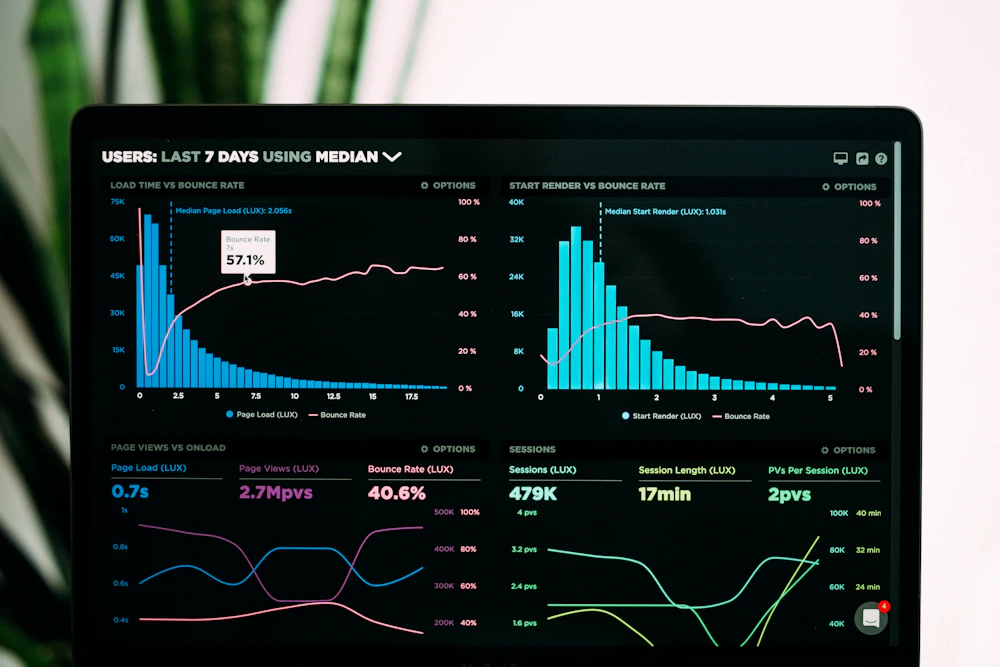
A high-performance website should load efficiently, respond smoothly and provide visitors with a reliable experience. Performance-focused development combines optimized code, responsive design, efficient assets and technical improvements to create a faster digital experience.
Explore PerformanceHigh performance means building a website that uses resources efficiently and responds quickly to user interactions. Visitors expect websites to provide useful information without unnecessary delays.
Performance optimization can involve reducing unnecessary code, optimizing images, improving caching strategies, minimizing render-blocking resources and creating a responsive technical structure.
A performance-focused website considers loading, interaction, responsiveness, accessibility, technical structure and the overall experience across different devices and network conditions.
High performance is achieved through several technical and design decisions working together rather than through one single optimization.
Large and unnecessary image files can affect page performance. Proper dimensions, modern formats and efficient compression help reduce unnecessary resource weight.
Efficient HTML, CSS and JavaScript can make websites easier for browsers to process while keeping the technical foundation clean and maintainable.
Mobile visitors often use different network conditions and hardware, making efficient responsive development an important part of performance planning.
Reducing unnecessary requests and organizing website resources can help create a more efficient loading process and cleaner technical architecture.
Performance should be considered from the moment a visitor requests a page through to the point where the page becomes useful and interactive.
Hosting, caching, server configuration and delivery systems can all influence how efficiently website resources reach users.
Performance improvement starts with identifying real bottlenecks, prioritizing meaningful changes and continuously reviewing the technical experience.
Review website structure, assets, loading behavior and performance-related technical elements to identify opportunities.
Separate high-impact opportunities from low-impact changes and create a practical optimization roadmap.
Improve assets, code, loading behavior and technical structure according to the identified performance priorities.
Performance should be reviewed over time because new content, plugins, scripts and features can affect website efficiency.
A website can become slower as new images, tracking scripts, plugins, integrations and content are added. High performance therefore requires an ongoing approach rather than a one-time technical fix.
Regular reviews can help identify unnecessary resources and keep the website aligned with changing business requirements.
Create a faster, cleaner and more efficient website experience with performance-focused development and optimization strategies designed around your business goals.
Improve Website PerformanceAnswers to common questions about website performance and optimization.